WWW.BEITHATORAH.ORG
Messianic Believers in YHVH
WWW.BEITHATORAH.ORG
Mitzvot
WWW.BEITHATORAH.ORG
26 October 2024 / 24 Tishrei 5785
Parashat Bereshit is the 1st weekly Torah portion in the annual Jewish cycle of Torah reading.
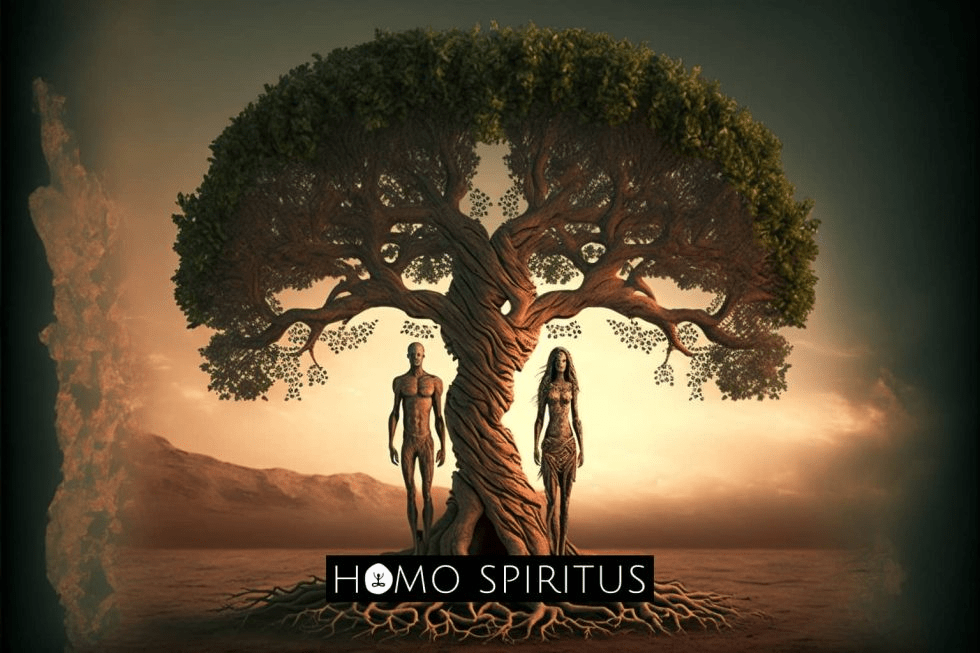
Bereishit (“In the Beginning”), the first parashah in the annual Torah reading cycle, begins with God’s creation of the world. The first people, Adam and Eve, eat from the Tree of Knowledge and are banished from the Garden of Eden. Their elder son, Cain, kills their younger son, Abel, and Cain is destined to a life of wandering
Portion (parasha) for this week:
B’reisheet | בראשית | “In the beginning”

Torah: Genesis 1:1 – 6:8

Prophets: Isaiah 42:5 – 43:10

Brit Hadasha: Luke 3:23-38; John 1:1-18; Romans 5:12-21; 1 Timothy 2:1-15, Hebrews 11:1-7
“Torah Portions” are a systematic teaching schedule that includes a portion of scripture from the Torah, Prophets, and Brit Hadasha each week. This schedule is known all over the world and serves as a great way to facilitate discussion and learning with others in the Body of the Messiah.
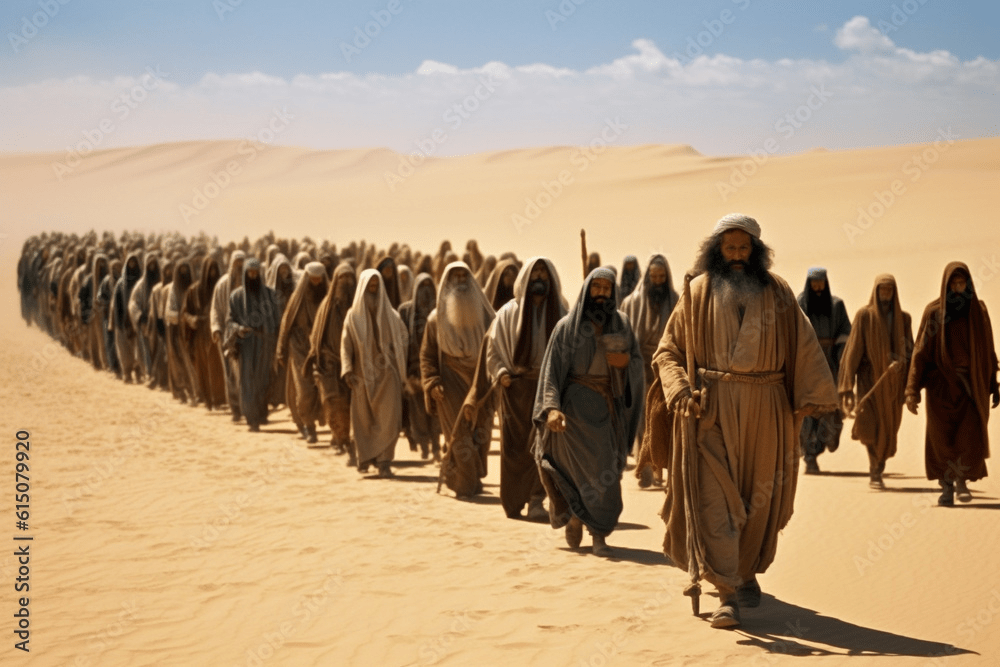
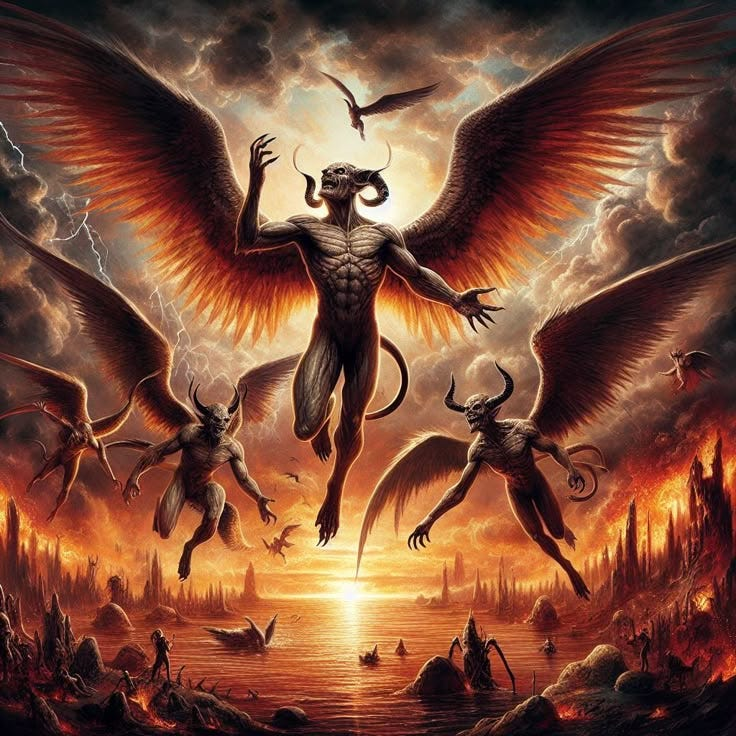
this is a difficult video to understand concerning what Gog and Magog is, who is involved and what countries are involved, so listen and try to understand and ask YAH for help and understanding.

something to think about
Yom Kippur for Hebrew Year 5785 begins at sundown on and ends at nightfall on .

Yom Kippur (Hebrew: יוֹם כִּפּוּר or יום הכיפורים), Also known as Day of Atonement, is the holiest day of the year for the Jews. Its central themes are atonement and repentance. Jews traditionally observe this holy day with a 25-hour period of fasting and intensive prayer, often spending most of the day in synagogue services. Yom Kippur completes the annual period known in Judaism as the High Holy Days (or sometimes “the Days of Awe”).

Torah Portion: Leviticus 16:1-34; Numbers 29:7-11


Haftarah: Isaiah 57:14-58:14 · 22 p’sukim

Shabbat Shuva for Hebrew Year 5785 began on and ended on . This corresponds to Parashat Ha’azinu.
Shabbat Shuvah (“Sabbath [of] Return” שבת שובה) refers to the Shabbat that occurs during the Ten Days of Repentance between Rosh Hashanah and Yom Kippur. Only one Shabbat can occur between these dates. This Shabbat is named after the first word of the Haftarah (Hosea 14:2-10) and literally means “Return!” It is perhaps a play on, but not to be confused with, the word Teshuvah (the word for repentance).
Yom Kippur 2024

bobby Jackson
Parashat Ha’azinu is the 53rd weekly Torah portion in the annual Jewish cycle of Torah reading. Next read on / 3 Tishrei 5785.
In Ha’azinu (“Listen”) , Moses recites a poem praising God and criticizing the sins of the Israelites. He describes the misfortunes that the Israelites will face and the damage God will ultimately wreak on their oppressors. The portion ends as God commands Moses to ascend Mount Nebo, where he is to die.
October 4, 2024
Shabbat Shuvah, also known as the Shabbat of Returning, for the Hebrew Year 5785 will begin at sundown on Friday, October 4, 2024, and end at nightfall on Saturday, October 5, 2024. This corresponds to Parashat Ha’azinu1. It is observed during the period between Rosh Hashanah and Yom Kippu


Ha’azinu | האזינו | “Listen”

Torah: Deuteronomy 31:30 – 32:52

Prophets: 2 Samuel 22:1-51; Hosea 14:1(2)-9(10);

Brit Hadasha: John 21:1-25; Romans 10:14 – 11:12, 12:14-21
“Torah Portions” are a systematic teaching schedule that includes a portion of scripture from the Torah, Prophets, and Brit Hadasha each week. This schedule is known all over the world and serves as a great way to facilitate discussion and learning with others in the Body of the Messiah.

Rosh Hashanah 2024


This week’s Torah portion is Parashat Nitzavim-Vayeilech (read on 28 September 2024).
In Nitzavim (“Standing”), Moses addresses the Israelites, emphasizing the importance of following God’s covenant and of not worshiping other gods. He describes the process of repentance and returning to God, and stresses that God’s commandments are achievable and “not in the heavens.” Vayeilech (“He Went”) opens as Moses tells the Israelites that he will not lead them into the Land of Israel, and that Joshua will take over. He instructs the Israelites to gather and read Torah publicly every seven years. At God’s command, Moses writes a poem bearing witness to God’s covenant with the Israelites. [1]
The Torah (Five Books of Moses) is divided into 54 sections, or parshiyot. Each section (called a parsha, also transliterated parashah or parasha) is read during a particular week (parashat ha-shavua). The full cycle is read over the course of one Jewish year. Readings for 5784


Portion (parasha) for this week:
Nitzavim/Vayelech | נצבים/וילך | “Standing/He Went”

Torah: Deuteronomy 29:9(10) – 31:29

Prophets: Isaiah 55:6-56:8, 61:10-63:9; Zechariah 14:1-21

Brit Hadasha: Luke 24:1-43; Romans 7:7-12, 9:30-10:13; 1 Thessalonians 4:13-18; Hebrews 12:1-17
“Torah Portions” are a systematic teaching schedule that includes a portion of scripture from the Torah, Prophets, and Brit Hadasha each week. This schedule is known all over the world, and serves as a great way to facilitate discussion and learning with others in the Body of the Messiah.