Weekly Torah readings (Parashat ha-Shavua) including verses for each aliyah and accompanying Haftarah. Includes traditional (full kriyah), triennial and weekday readings.
In Nitzavim (“Standing”), Moses addresses the Israelites, emphasizing the importance of following God’s covenant and of not worshiping other gods. He describes the process of repentance and returning to God, and stresses that God’s commandments are achievable and “not in the heavens.” Vayeilech (“He Went”) opens as Moses tells the Israelites that he will not lead them into the Land of Israel, and that Joshua will take over. He instructs the Israelites to gather and read Torah publicly every seven years. At God’s command, Moses writes a poem bearing witness to God’s covenant with the Israelites. [1]
(click on a selected reading below each photo to be taken directly to it)
“Torah Portions” are a systematic teaching schedule that includes a portion of scripture from the Torah, Prophets, and Brit Hadasha each week. This schedule is known all over the world and serves as a great way to facilitate discussion and learning with others in the Body of the Messiah.
Ki Tavo (“When You Come”) opens by describing the ceremony of the first fruit offering (bikkurim) and the declaration made upon the completion of tithing. It concludes with a detailed description of blessings that follow obedience to God’s laws and curses that come with their desecration.
(click on a selected scripture reading below each photo to be taken directly to it)
“Torah Portions” are a systematic teaching schedule that includes a portion of scripture from the Torah, Prophets, and Brit Hadasha each week. This schedule is known all over the world, and serves as a great way to facilitate discussion and learning with others in the Body of the Messiah
Ki Teitzei (“When You Go Out”) contains numerous laws, more than appear in any other Torah portion. These include laws about the treatment of a captive woman, returning lost objects, forbidden mixtures, the erection of a rooftop fence, rape, collateral, and workers’ wages.
(click on a selected scriptural reading below each photo to be taken directly to it)
“Torah Portions” are a systematic teaching schedule that includes a portion of scripture from the Torah, Prophets, and Brit Hadasha each week. This schedule is known all over the world, and serves as a great way to facilitate discussion and learning with others in the Body of the Messiah.
Shoftim (“Judges”) discusses guidelines of leadership, opening with a command to appoint judges and continuing to detail laws of kings, priests, and prophets. It also describes laws relating to cities of refuge for accidental killers, false witnesses, warfare, and the rite performed in a case of unsolved murder.
(click on a selected reading of scripture below each photo to be taken directly to it)
“Torah Portions” are a systematic teaching schedule that includes a portion of scripture from the Torah, Prophets, and Brit Hadasha each week. This schedule is known all over the world, and serves as a great way to facilitate discussion and learning with others in the Body of the Messiah.
Re’eh (“See”) details a series of laws in advance of the Israelites’ entrance into the Land of Israel. These include the obligation to destroy idolatry, laws of tithing and charity, dietary laws, holiday laws, and the prohibition of offering sacrifices outside of the place designated by God.
Shabbat Times for Regba
Regba, Israel
Candle lighting: 19:11 on Friday, Aug 11
Shabbat Mevarchim Chodesh Elul occurs on Saturday, Aug 12
(Click on a selected scriptural reading below each photo to be taken directly to it and study it.)
“Torah Portions” are a systematic teaching schedule that includes a portion of scripture from the Torah, Prophets, and Brit Hadasha each week. This schedule is known all over the world and serves as a great way to facilitate discussion and learning with others in the Body of the Messiah.
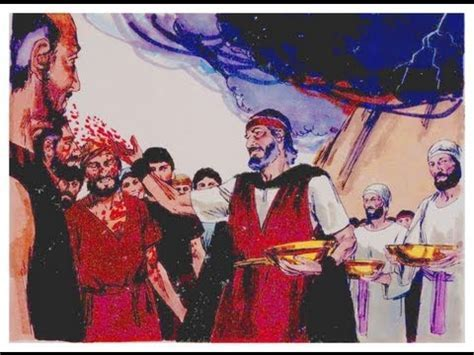
In Eikev (“As a Result”), Moses recounts events that happened in the desert, including the manna, the golden calf, and Aaron’s death. Moses describes the blessings God will bestow upon the Israelites if they follow God’s law and the punishments they will encounter if they disobey
Shabbat Times for Negba
Negba, Israel
Tu B’Av (Hebrew: ט״ו באב, lit. ‘fifteenth of Av‘) is a minor Jewish holiday.[2] In modern-day Israel, it is celebrated as a holiday of love (חג האהבה Ḥag HaAhava).[3] It has been said to be an auspicious day for weddings.
(click on a selected reading listed below each photo to be taken directly to it)
“Torah Portions” are a systematic teaching schedule that includes a portion of scripture from the Torah, Prophets, and Brit Hadasha each week. This schedule is known all over the world, and serves as a great way to facilitate discussion and learning with others in the Body of the Messiah.
Negba, Israel
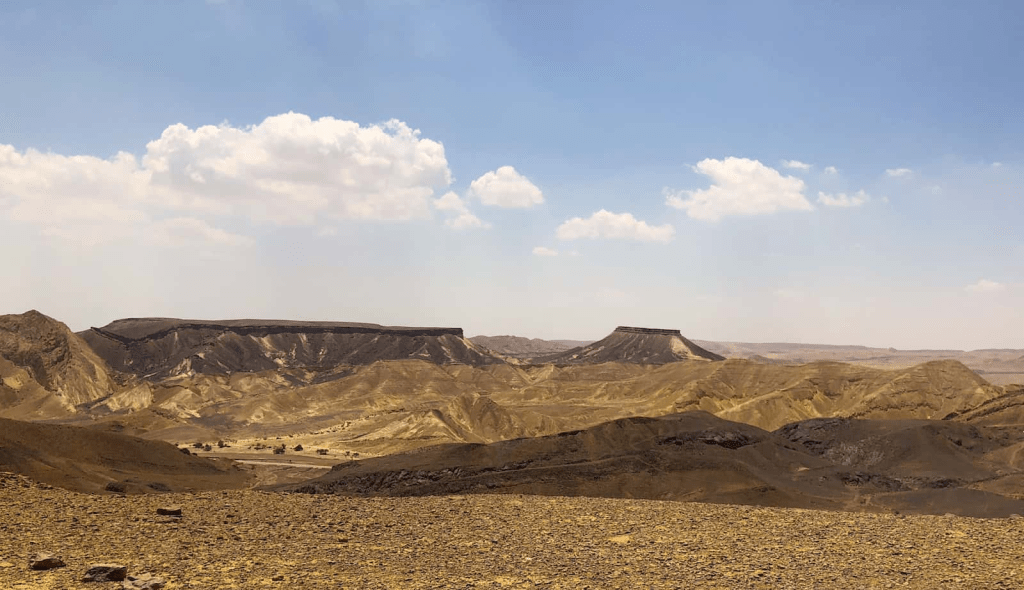
Negba (Hebrew: נֶגְבָּה) is a kibbutz in southern Israel. Located in the northern Negev desert near the cities of Kiryat Malakhi and Ashkelon, it falls under the jurisdiction of Yoav Regional Council. In 2021 it had a population of 967. The name of the kibbutz is based on a verse in the Book of Genesis (13:14)
Vaetchanan (“I Pleaded”) opens as Moses describes his pleading with God to be allowed into the Land of Israel. Moses warns the Israelites not to pursue idolatry and recounts the giving of the Ten Commandments. The portion also contains the Shema, a declaration of faith and a central text in Jewish prayer
(click on a selected reading below each photo to be taken directly to it and read and study)
“Torah Portions” are a systematic teaching schedule that includes a portion of scripture from the Torah, Prophets, and Brit Hadasha each week. This schedule is known all over the world, and serves as a great way to facilitate discussion and learning with others in the Body of the Messiah
This week’s Torah portion is Parashat Devarim (read on 22 July 2023).
Devarim (“Words”) is the first Torah portion in the Book of Deuteronomy, the final book of the Torah. In it, Moses recounts events from the Israelites’ travels in the desert, like the appointment of judges, the sin of the spies, and the wars with the Emorite kings Sihon and Og. [1]
Deuteronomy 1:1–3:22 The Command to Leave Horeb 1 These are the words Moses spoke to all Israel in the wilderness east of the Jordana—that is, in the Arabahb—opposite Suph, between Paranc and Tophel, Laban, Hazeroth and Dizahab. 2 (It takes eleven days to go from Horebd to Kadesh Barneae by the Mount Seirf road.
Isaiah 1:1-27 NIV – The vision concerning Judah and the son of Amoz WebIsaiah 1:1-27 NIV – The vision concerning Judah and – Bible Gateway. The vision concerning Judah and Jerusalem that Isaiah son of Amoz saw during the reigns of Uzziah, Jotham,
Here is a trustworthy saying: Whoever aspires to be an overseer desires a noble task. 2 Now the overseer is to be above reproach, faithful to his wife, temperate, self-controlled, respectable, hospitable, able to teach, 3 not given to drunkenness, not violent but gentle, not quarrelsome, not a lover of money.
(click on a selected reading below each photo to be taken directly to it)
“Torah Portions” are a systematic teaching schedule that includes a portion of scripture from the Torah, Prophets, and Brit Hadasha each week. This schedule is known all over the world, and serves as a great way to facilitate discussion and learning with others in the Body of the Messiah.
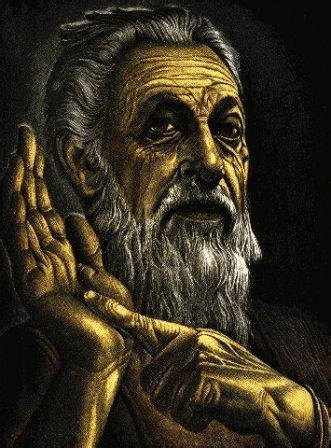
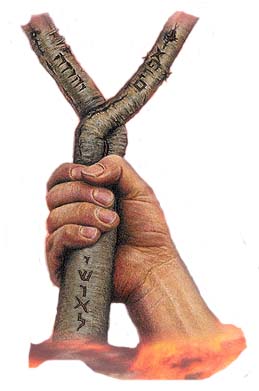
Matot (“Tribes”) opens with laws about vows, and continues to describe the Israelites’ war against the Midianites and the allocation of spoils. The tribes of Reuben and Gad request to dwell outside of the Land of Israel, and Moses acquiesces on the condition that they help conquer it. Masei (“Travels”), the final Torah portion in the Book of Numbers, opens with a list of places that the Israelites traveled in the desert. God commands the Israelites to destroy idolatry in the Land of Israel, outlines Israel’s boundaries, and details the laws of cities of refuge for accidental killers
Shabbat Times for Midreshet Ben-Gurion
Midreshet Ben-Gurion, Israel
Candle lighting: 19:27 on Friday, Jul 14
Shabbat Mevarchim Chodesh Av occurs on Saturday, Jul 15
(click on a selected scriptural reading to be taken directly to it)
“Torah Portions” are a systematic teaching schedule that includes a portion of scripture from the Torah, Prophets, and Brit Hadassah each week. This schedule is known all over the world, and serves as a great way to facilitate discussion and learning with others in the Body of the Messiah.