http://www.beithatorah.org

Mitzvot
24 August 2024 / 20 Av 5784
Parashat Eikev is the 46th weekly Torah portion in the annual Jewish cycle of Torah reading.
In Eikev (“As a Result”), Moses recounts events that happened in the desert, including the manna, the golden calf, and Aaron’s death. Moses describes the blessings God will bestow upon the Israelites if they follow God’s law and the punishments they will encounter if they disobey. [1]
Portion (parasha) for this week:
Ekev | עקב | “Consequence”
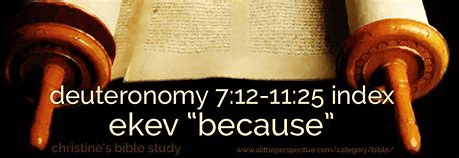
Torah: Deuteronomy 7:12 – 11:25

Prophets: Isaiah 49:14 – 51:3

Brit Hadasha: John 13:31 – 15:27; James 5:7-11; Romans 8:31-39
“Torah Portions” are a systematic teaching schedule that includes a portion of scripture from the Torah, Prophets, and Brit Hadasha each week. This schedule is known all over the world and serves as a great way to facilitate discussion and learning with others in the Body of the Messiah.

17 August 2024 / 13 Av 5784
Parashat Vaetchanan is the 45th weekly Torah portion in the annual Jewish cycle of Torah reading.
Vaetchanan (“I Pleaded”) opens as Moses describes his pleading with God to be allowed into the Land of Israel. Moses warns the Israelites not to pursue idolatry and recounts the giving of the Ten Commandments. The portion also contains the Shema, a declaration of faith and a central text in Jewish prayer
Portion (parasha) for this week:
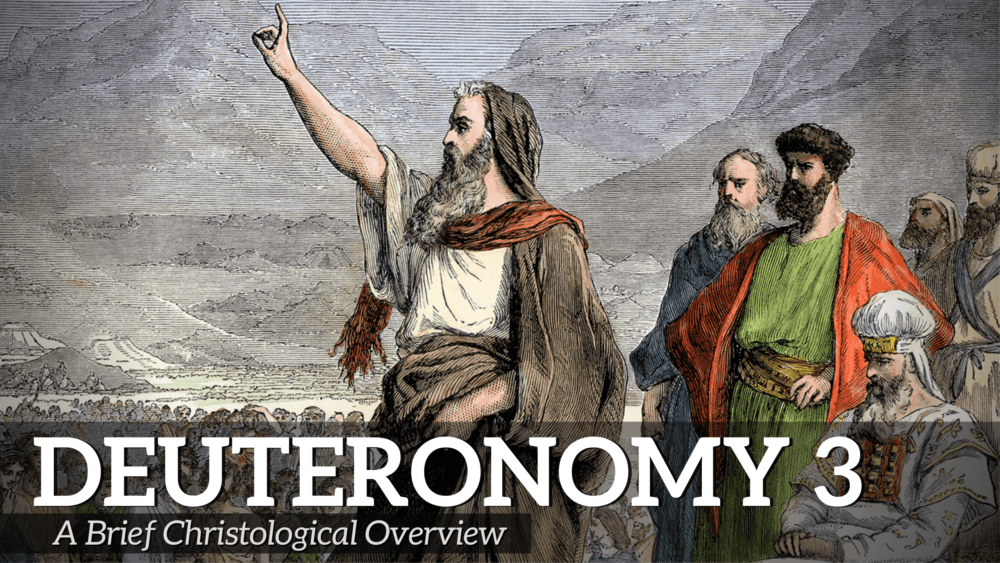
Torah: Deuteronomy 3:23 – 7:11

Prophets: Isaiah 40:1-26

Brit Hadasha: Luke 4:1-13, 10:25-37, 22:13-38; Acts 13:13-43; Romans 3:21-31; 1 Timothy 2:1-15; James 2:14-26
“Torah Portions” are a systematic teaching schedule that includes a portion of scripture from the Torah, Prophets, and Brit Hadasha each week. This schedule is known all over the world and serves as a great way to facilitate discussion and learning with others in the Body of the Messiah.
10 August 2024 / 6 Av 5784
Parashat Devarim is the 44th weekly Torah portion in the annual Jewish cycle of Torah reading.
Devarim (“Words”) is the first Torah portion in the Book of Deuteronomy, the final book of the Torah. In it, Moses recounts events from the Israelites’ travels in the desert, like the appointment of judges, the sin of the spies, and the wars with the Emorite kings Sihon and Og.
Portion (parasha) for this week:
Devarim | דברים | “Words”
Torah: Deuteronomy 1:1 – 3:22
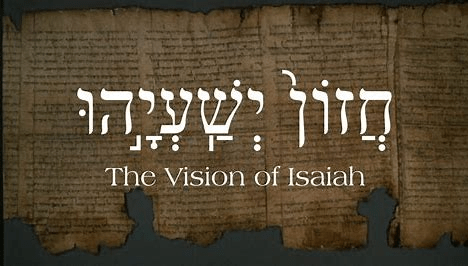
Prophets: Isaiah 1:1-27
Brit Hadasha: Mark 14:1-16; John 15:1-11; Hebrews 3:7 – 4:11; 1 Timothy 3:1-7
“Torah Portions” are a systematic teaching schedule that includes a portion of scripture from the Torah, Prophets, and Brit Hadasha each week. This schedule is known all over the world, and serves as a great way to facilitate discussion and learning with others in the Body of the Messiah.

Relationship and Responsibility
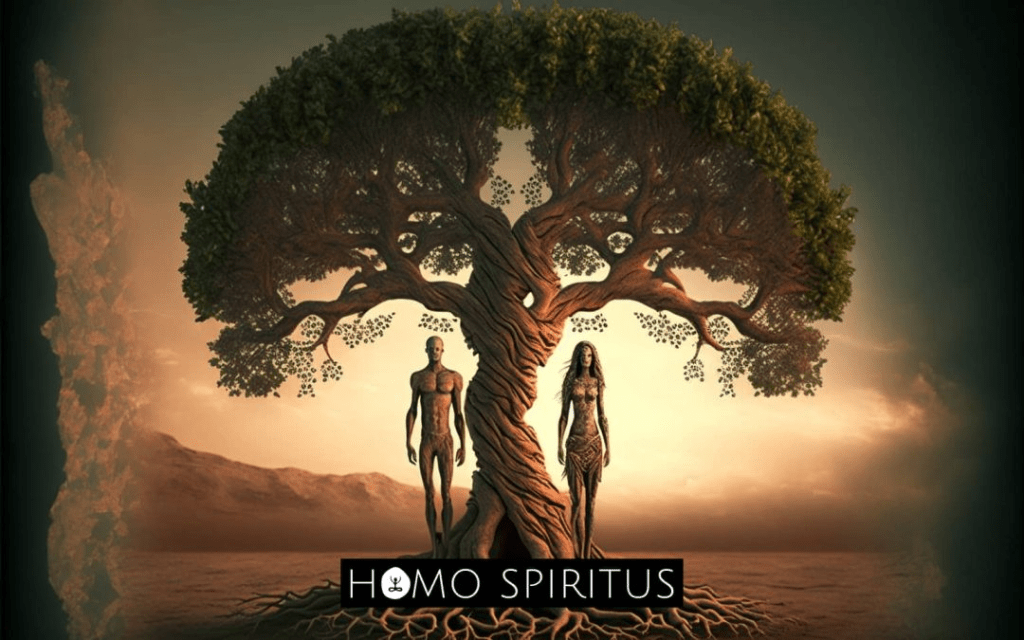
The presence of prosperity in our lives can become a trap that can cause us to fall into living without the presence of יהוה in our lives.
Israel had a problem with keeping Hashems commandments. Elohim has been faithful, but Israel has not


Blessed be He
3 August 2024 / 28 Tamuz 5784
Parashat Matot-Masei is the 42nd and 43rd weekly Torah portion in the annual Jewish cycle of Torah reading.
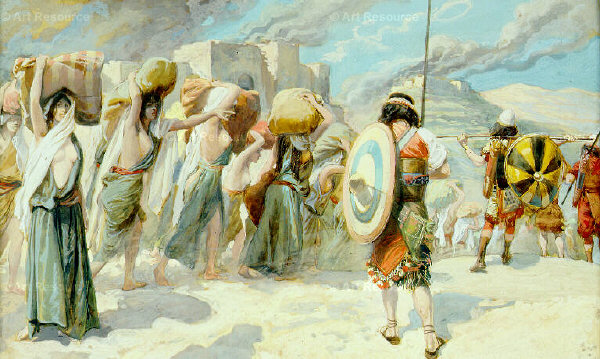
Matot (“Tribes”) opens with laws about vows, and continues to describe the Israelites’ war against the Midianites and the allocation of spoils. The tribes of Reuben and Gad request to dwell outside of the Land of Israel, and Moses acquiesces on the condition that they help conquer it. Masei (“Travels”), the final Torah portion in the Book of Numbers, opens with a list of places that the Israelites traveled in the desert. God commands the Israelites to destroy idolatry in the Land of Israel, outlines Israel’s boundaries, and details the laws of cities of refuge for accidental killers.
Portion (parasha) for this week:
Mattot/Massei | מטות/מסעי | “Tribes/Journeys”
Torah: Numbers 30:1(30:2) – 36:13
Prophets: Jeremiah 1:1 – 2:28

Brit Hadasha: Matthew 23:1 – 25:46; Philippians 3:12-16;
James 4:1-12
“Torah Portions” are a systematic teaching schedule that includes a portion of scripture from the Torah, Prophets, and Brit Hadasha each week. This schedule is known all over the world and serves as a great way to facilitate discussion and learning with others in the Body of the Messiah.





 Torah
Torah 